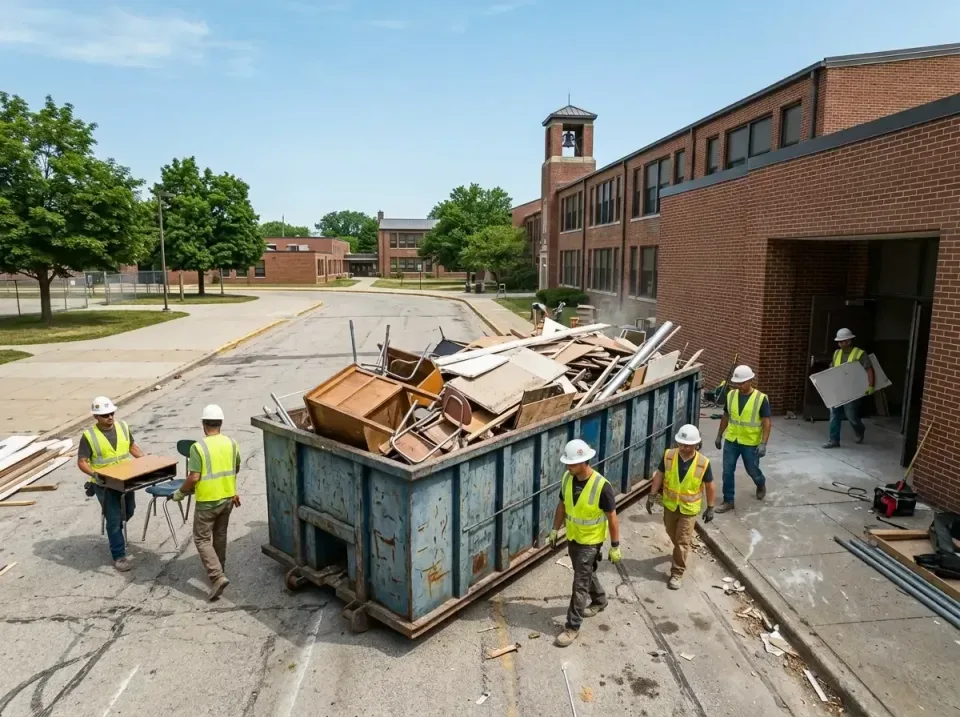
Roofing Dumpster Rental
Roofing crews and homeowners book Colorado Springs containers for shingles, underlayment, flashing, and other roof replacement debris.
A weight limit exceeded during pickup can trigger a surcharge, but sorting dense debris early usually prevents it. Most roll-off containers include roughly 2–4 tons before overage applies.
Concrete, soil, brick, and shingles become heavy quickly, even when the container looks half full. Ask for the included tonnage and disposal stream before loading.
A mixed load can also create hidden fees on the final invoice if prohibited materials or special disposal charges appear. Photograph unusual debris and confirm accepted materials in writing.
Colorado Springs projects may also need street placement approval. Rental Dumpster Pros helps customers plan container size, material type, and pickup timing across all service areas.
Tonnage: Confirm the included weight allowance before placing dense concrete, dirt, or brick inside the roll-off container.
Load density: Spread heavy debris across the floor instead of burying it beneath lighter household waste.
Weight records: Request a weight ticket from the transfer station if the final invoice includes an overage charge.
Material screening: Separate hazmat materials and prohibited items before they reach the open-top dumpster.
Placement planning: Use careful spotting so a heavy container does not damage a driveway or block a contractor’s access.
A transfer station may route clean material differently from municipal solid waste, changing the disposal fee. That is why jobsite sanitation planning resources can help general contractors coordinate the dumpster area with other site needs.
Rental Dumpster Pros can identify the likely disposal stream before delivery. This gives Colorado Springs homeowners a clearer estimate and fewer surprises.
The safest way to avoid an overage is choosing by material weight, not just visible volume. A 10-yard container may hold about 10 pickup truck loads, yet a small concrete job can exceed its allowance quickly.
For a major renovation, a 30-yard roll-off container holds about 30 pickup truck loads, but extra capacity does not remove tonnage limits. Ask whether the job belongs in Construction and Demolition recycling, municipal solid waste, or a specialty disposal stream.
Clean fill means uncontaminated soil or gravel, while inert debris includes concrete, brick, and soil. Keep those materials separate from a mixed load when the hauler or local landfill prices them differently.
Load heavy debris in shallow, even layers. This improves load density the balance between weight and volume and keeps the container stable during removal.
A provider’s weight-limit enforcement process should identify risky materials before pickup. A scale ticket confirms the facility’s measured weight, so keep it with the rental paperwork if the invoice later shows an overage.
Do not place appliances, batteries, tires, or hazmat materials in the container unless the hauler specifically accepts them. The U.S. Environmental Protection Agency and state environmental agency requirements can send restricted materials to separate handling.
Tarp versus no-tarp decisions also matter. Loose roofing debris or lightweight construction waste may spill during transport, creating cleanup charges even when the tonnage remains within the allowance.
An overfilled container can cause the driver to refuse pickup, leaving a contractor site blocked. Keep debris below the rail line and never exceed the top edge, especially after rain adds weight to absorbent materials.
A load-and-lock door allows walk-in loading without lifting heavy debris over the wall. It helps crews place dense material safely, but it does not increase the container’s rated tonnage.
The local landfill is the final disposal site, while a transfer station may sort material first. Those destinations, disposal fees, and the chosen disposal stream can affect the final charge.
DIY loading works for clean household debris when one person can sort materials and monitor the fill line. It becomes less practical for demolition services, roofing tear-offs, concrete disposal, or a project using a temporary construction site container.
Call Rental Dumpster Pros before delivery if debris includes concrete, dirt, shingles, appliances, or uncertain chemicals. A site inspection can clarify access, material separation, and whether junk removal labor or concrete recycling is safer than loading everything together.
For transportation compliance, the Department of Transportation governs truck weight and securement rules, while a roll-off truck uses hydraulic equipment to place the container. Keeping the approach clear protects the driver and prevents a missed pickup.
Open versus enclosed containers depends on debris type, not appearance. An open-top roll-off suits renovation debris, while an enclosed roll-off is better for light litter and wind-sensitive waste.
A common included weight limit is 2–4 tons, so the table focuses on matching material and project scale. Real-time availability can confirm whether the needed size is ready for the planned date.
| Option | Best for | Key detail |
|---|---|---|
| 10-yard open-top roll-off | Small repairs | About 12’L x 8’W x 3.5’H; dense debris needs weight review |
| 20-yard temporary container | Remodeling | About 22’L x 8’W x 4.5’H; balance volume against tonnage |
| 30-yard construction container | Major renovation | About 22’L x 8’W x 6’H; more volume, not unlimited weight |
| Specialty disposal container | Concrete, dirt, shingles | Material-specific handling may prevent mixed-load fees |
A rental suits a defined project, while a permanent commercial front-load dumpster suits recurring service. Portable sanitation coordination guidance may help commercial construction managers keep separate service areas organized.
Confirm access: Clear 60 feet for the roll-off truck approach and maintain 23 feet of vertical clearance.
Prepare the surface: Choose a flat, firm area rather than grass, and place wood boards under steel wheels.
Check placement: Confirm the gate door opening direction, then provide the property owner contact during booking.
Review materials: Separate inert debris from household waste and confirm the correct disposal stream.
Load evenly: Keep heavy material low, protect the driveway, and avoid concentrating weight in one corner.
Stay below limits: Keep the fill below the rim and follow DOT weight and transport regulations.
Secure pickup: Use tarping when required, remove prohibited items, and retain the landfill or transfer station weight ticket.
| Container or service | Typical range | Included or special condition |
|---|---|---|
| 10-yard dumpster | $300–$500 | 1 ton included |
| 20-yard dumpster | $400–$600 | 2 tons included |
| 30-yard dumpster | $450–$700 | 3 tons included |
| Concrete disposal | $500–$900 | Heavy debris rate |
| Same-day delivery | +$50–$150 | Availability fee |
| Overage | $40–$100 per extra ton | Applies above included tonnage |
A 10-yard option may cost less initially, but dense roofing, dirt, or concrete can make specialty disposal more economical. Regional landfill charges and hauling distances can change these ranges, especially for Colorado Springs properties.
Ask for the included tonnage, disposal stream, rental period, and possible overage line before approving the order. Final quote depends on debris type, weight, location, rental period, and local disposal fees.
A 7–10 day rental period gives most crews time to sort material before pickup. Do not wait until the final day to discover that the gate door cannot open or the load needs tarping.
Same-day delivery is often available before noon, but rushed placement can leave heavy debris concentrated in one area. Confirm the driver’s CDL license and use a spotter when the roll-off truck backs into a tight Colorado Springs driveway.
Expert insight:
Treat the weight ticket as part of the project record, not an afterthought. A clear tonnage allowance and an even load usually cost less than correcting an overage after disposal.
Common mistake: Choosing a larger container for volume without asking how its included weight allowance applies to concrete, soil, or shingles.
For projects combining dumpsters with sanitation needs, portable restroom placement information can help crews keep access lanes and service areas separate.
Avoiding an overage starts with matching container size to material weight, then keeping dense debris below the fill line. That prevents an overfilled dumpster, a refused pickup, and a contractor site blocked by waste.
Colorado Springs customers should also confirm street placement permits before delivery. Recycling and waste audits can identify materials better suited for separate disposal.
If a permit was not obtained or a delivery window missed, the project may lose time before loading even begins. Rental Dumpster Pros can review access, debris type, tonnage, and pickup timing before scheduling.
Start by preparing the approach path and listing every heavy material. Then request a clear quote from Rental Dumpster Pros for your Colorado Springs project.

Browse all nationwide service options and choose the right fit for your project.
Roofing crews and homeowners book Colorado Springs containers for shingles, underlayment, flashing, and other roof replacement debris.
Contractors and property managers book Colorado Springs containers for construction, demolition, remodeling, and commercial debris.
Homeowners, contractors, and property managers book Colorado Springs demolition dumpsters for concrete, framing, masonry, and teardown debris.
Homeowners, property managers, and contractors use our Colorado Springs containers for furniture, household debris, and estate cleanouts.
Homeowners and contractors book Colorado Springs containers for kitchen, bathroom, flooring, and whole-home renovation debris.
Concrete disposal containers help Colorado Springs homeowners and contractors remove slabs, masonry, and demolition debris.
Commercial dumpsters help Colorado Springs contractors, property managers, and businesses manage construction, demolition, and cleanout debris.
Homeowners, property managers, and real estate professionals book estate cleanout containers for furniture and household debris in Colorado Springs.
Homeowners, landscapers, and property managers book Colorado Springs containers for brush, limbs, leaves, and seasonal yard cleanup.
Homeowners, contractors, and property managers book same-day containers for urgent cleanouts, remodel debris, and storm waste in Colorado Springs.
Homeowners and property managers book Colorado Springs shed cleanout dumpsters for lumber, tools, roofing, and bulky debris.
Homeowners, contractors, and property managers use our Colorado Springs containers for deck boards, railings, posts, and demolition debris.
Homeowners, contractors, and property managers book Colorado Springs containers for branches, shingles, fencing, and storm cleanup debris.
Homeowners, contractors, and property managers book Colorado Springs containers for fence panels, posts, and removal debris.
Flood and fire cleanup in Colorado Springs mixes wet materials and structural debris — flood cleanup dumpster rental with contamination-aware disposal guidance.
Homeowners, contractors, and property managers book Colorado Springs containers for fire-damaged materials and contents.
Property managers and homeowners book Colorado Springs containers for rental turnovers, tenant debris, furniture, and repair waste.
Property managers and homeowners use our Colorado Springs eviction cleanout dumpsters for furniture, household debris, and tenant move-outs.
Residential cleanout containers help Colorado Springs landlords, property managers, and homeowners clear tenant move-out debris.
Home cleanouts and moves in Colorado Springs need driveway-friendly placement and the right container size — real estate cleanout dumpster rental without surprise reload fees.
Homeowners, landscapers, and contractors book Colorado Springs yard dumpsters for brush, branches, soil, and cleanup debris.
Select your region to see local roll-off dumpster rental services providers and cities we cover.
We connect you with trusted local providers in your state or city. Call or email us today.