Roofing Dumpster Rental
Roofing crews and homeowners book Colorado Springs containers for shingles, underlayment, flashing, and other roof replacement debris.
A quote can change after delivery when the final invoice includes disposal, weight, access, or rental charges omitted from the first estimate. In Colorado Springs, a filled container can also block a contractor’s work area before pickup.
Ask for an itemized quote before the roll-off container arrives. It should identify the included tonnage, rental period, debris stream, pickup conditions, and possible disposal fees.
Hidden fees often appear when concrete, roofing material, or mixed debris weighs more than expected. A local transfer station may also price those materials differently from ordinary household waste.
Rental Dumpster Pros helps Colorado Springs customers match the container to the material and placement area. That planning reduces invoice surprises and keeps a contractor site from becoming inaccessible.
For broader project coverage, review the company’s Colorado dumpster service options before requesting a quote.
Delivery equipment: A roll-off container is an open-top dumpster delivered by a rolloff truck, which uses a tilt-and-roll system.
Driver requirements: The delivery driver needs a CDL license, while a spotter guides the truck during tight Colorado Springs placement.
Weight billing: An overage charge applies when debris exceeds the included tonnage, so dense materials deserve a separate estimate.
Access planning: Confirm the truck path, door direction, and placement surface before delivery to prevent blocked work areas.
Pickup conditions: Keep debris below the rim and remove prohibited materials before pickup, or the driver may reject the load.
A gate door can simplify loading heavy items, but it does not change the container’s weight allowance. Ask for the weight ticket from the disposal facility when the final bill includes an unfamiliar charge.
The roll-off rental guidance can help contractors distinguish container service from a wheeled toter or a permanent commercial unit.
A first quote usually reflects the information available before delivery. The final invoice may change after the hauler confirms the actual material, disposal route, and handling required at the facility.
For example, the Occupational Safety and Health Administration focuses on job-site safety, while the landfill or transfer station determines the material charge. A temporary container filled with construction debris may follow a different disposal path than household municipal solid waste.
Some charges are tied to services performed after delivery. If a contractor requests a second pickup, extends the rental, or changes the placement, those actions can create separate line items. Same-day delivery is available in many markets, but expedited scheduling can carry a different rate than a standard delivery window.
A practical quote should state what is included and what triggers an adjustment. Ask whether disposal, delivery, pickup, rental time, and weight are bundled or billed separately.
A 10-yard dumpster costs about $300–$500 with 1 ton included in the assigned market example. A 20-yard dumpster costs about $400–$600 with 2 tons included. Those figures show why a larger box does not automatically solve a heavy-debris problem.
A container can have unused space and still exceed its weight allowance. Concrete, brick, and plaster create that problem because their load density is high. Selecting a larger container for volume may help a remodeling project, but it may not prevent a tonnage charge.
The 1960s shift from flatbed delivery to roll-off trucks changed how containers reach residential and commercial sites. Modern delivery still depends on clear access, stable placement, and safe loading conditions.
Before booking, separate bulky light debris from dense material. A concrete recycling option may cost less than mixing inert debris with general construction waste, depending on the local disposal route.
An overfilled container can delay pickup because the driver may refuse a load that cannot be safely transported. OSHA principles and transportation rules both support keeping debris contained rather than piled above the sidewalls.
A tarp or cover may be required when loose material could spill during transport. If the container is loaded beyond its safe fill line, the hauler may require material removal before the truck can leave. That creates labor costs and can leave a contractor site blocked by a filled dumpster.
The 20-yard example carries a $400–$600 base range with 2 tons included. If dense debris exceeds that allowance, the final invoice can reflect disposal or weight charges rather than a simple container rental.
Photograph the container before pickup and retain written communication about the load condition. If the driver refuses service, ask what must be removed and whether a revised pickup appointment is required.
Pad protection boards placed under the container can reduce contact between steel wheels and a driveway surface. They do not guarantee that asphalt or concrete will remain unchanged, especially when the surface is weak or recently installed.
Tell the hauler about slopes, narrow approaches, underground utilities, and soft shoulders before delivery. A site inspection can reveal a better placement area and prevent the container from sitting where equipment movement will damage the property.
A contractor should also keep the approach clear for the truck and avoid placing materials where the driver must reposition repeatedly. Those details affect delivery time and may create handling costs when the original location cannot be used.
Rental Dumpster Pros can review the debris type, access route, and protection needs before delivery. That conversation is often less expensive than moving a loaded container after a driveway complaint.
When an invoice changes, compare the signed quote, delivery record, disposal documentation, and final weight information. A dumpster billing and debris service overview can help identify whether the charge relates to material, handling, or transportation.
The best container depends on volume, dimensions, and load density. Weight-limit enforcement helps prevent overage fees, but the material still determines the final disposal burden.
| Option | Best for | Key detail |
|---|---|---|
| 10-yard roll-off | Small repairs or dense debris | About 12’L x 8’W x 3.5’H; easier to control for heavy material |
| 20-yard roll-off | Medium remodeling work | About 22’L x 8’W x 4.5’H; common included weight is 2–4 tons |
| 30-yard roll-off | Major renovation volume | About 22’L x 8’W x 6’H; more room, but dense debris can still exceed limits |
| Specialty disposal container | Concrete, dirt, or shingles | Use a dedicated disposal stream when mixed loads create higher charges |
A 10-yard versus 30-yard decision should follow debris density, not volume alone. Before booking, dumpster size and waste guidance can help frame the material question.
Confirm timing: Reserve the delivery window, often a 2–4 hour span, and enable text alerts for delivery and pickup notifications.
Prepare access: Clear vehicles, branches, and obstacles from the site before the truck arrives.
Measure placement: Confirm the door opening direction and leave enough room for safe loading.
Check street rules: A container placed in a public street may require a municipal permit.
Protect the surface: Ask about wood boards beneath the container and use a flat, firm location.
Control the load: Keep debris below the rim, exclude hazardous items, and cover loose material with a tarp before transport.
Document pickup: Keep the quote, delivery record, photos, and final weight ticket together for invoice review.
A dumpster delivery preparation checklist can help a homeowner spot access problems before the scheduled arrival.
10-yard dumpster: $300–$500, with 1 ton included.
20-yard dumpster: $400–$600, with 2 tons included.
30-yard dumpster: $450–$700, with 3 tons included; it holds about 30 pickup truck loads.
Concrete disposal: $500–$900 because heavy debris uses a different disposal rate.
Same-day delivery: An additional $50–$150 may apply when availability permits delivery before the normal schedule.
Overage: Each extra ton may add $40–$100.
A 40-yard container is approximately 22’L x 8’W x 8’H, but extra volume does not remove weight limits. Colorado Springs rates can differ from other regions because location, disposal facilities, and local fees affect the final bill.
Final quote depends on debris type, weight, location, rental period, and local disposal fees.
Expert insight:
Treat tonnage as a weight-based pricing unit, not as a measure of how full the container looks. A 10-yard container may hold roughly 10 pickup truck loads, yet concrete can reach the weight limit before the box is full.
Ask where the weight ticket comes from and how the disposal facility records the load. Dead fuel, meaning an empty truck trip, can also become a practical concern when poor planning causes a second pickup.
Same-day delivery is often available before noon, but urgent scheduling should not replace a material review. Tarping protects loose debris during transport and can prevent a failed pickup.
Common mistake: Estimating heavy material by cubic volume instead of separating its tonnage from lighter household waste.
Rental Dumpster Pros can review the debris list before booking, especially for concrete, roofing, or demolition work.
A changed quote usually traces back to weight, disposal type, access, permits, rental time, or a load that cannot safely travel. Identifying those triggers before delivery helps prevent a blocked contractor site and a disputed final invoice.
If a delivery window was missed and the project is delayed, document the schedule and ask what remedy or new appointment applies. If an overfilled dumpster causes the driver to refuse pickup, remove the excess before requesting service again.
A permit needed but not obtained can create a separate placement problem in Colorado Springs. Junk removal labor may help when the crew cannot safely correct the load alone.
Rental Dumpster Pros can review your debris, location, and timing before quoting. Start with the material list, placement address, and expected rental period, then request a written quote for the job.

Browse all nationwide service options and choose the right fit for your project.
Roofing crews and homeowners book Colorado Springs containers for shingles, underlayment, flashing, and other roof replacement debris.
Contractors and property managers book Colorado Springs containers for construction, demolition, remodeling, and commercial debris.
Homeowners, contractors, and property managers book Colorado Springs demolition dumpsters for concrete, framing, masonry, and teardown debris.
Homeowners, property managers, and contractors use our Colorado Springs containers for furniture, household debris, and estate cleanouts.
Homeowners and contractors book Colorado Springs containers for kitchen, bathroom, flooring, and whole-home renovation debris.
Concrete disposal containers help Colorado Springs homeowners and contractors remove slabs, masonry, and demolition debris.
Commercial dumpsters help Colorado Springs contractors, property managers, and businesses manage construction, demolition, and cleanout debris.
Homeowners, property managers, and real estate professionals book estate cleanout containers for furniture and household debris in Colorado Springs.
Homeowners, landscapers, and property managers book Colorado Springs containers for brush, limbs, leaves, and seasonal yard cleanup.
Homeowners, contractors, and property managers book same-day containers for urgent cleanouts, remodel debris, and storm waste in Colorado Springs.
Homeowners and property managers book Colorado Springs shed cleanout dumpsters for lumber, tools, roofing, and bulky debris.
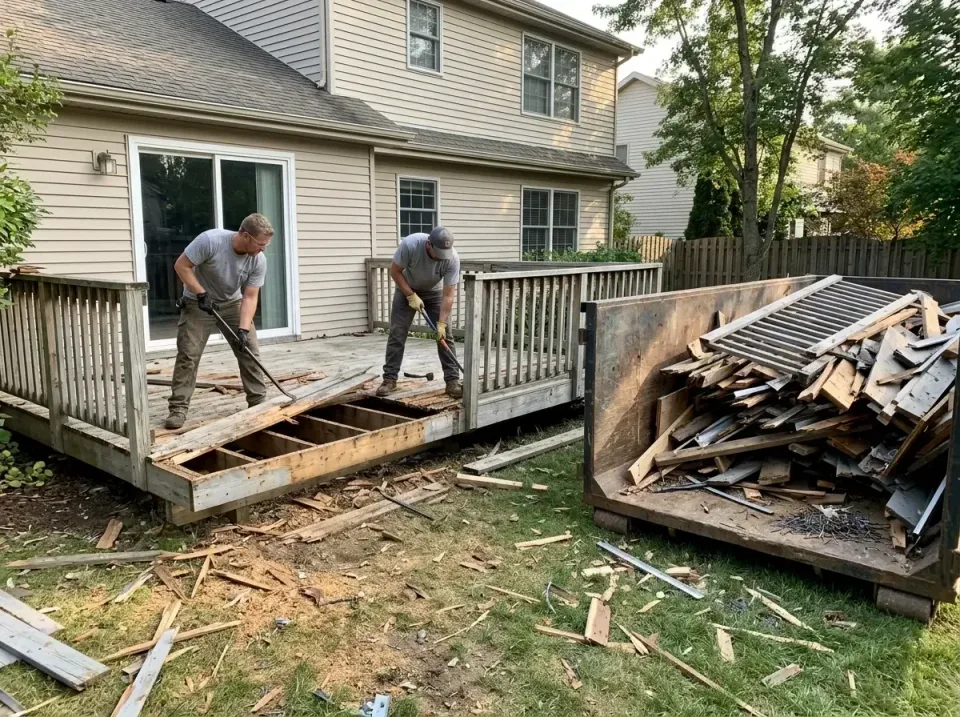
Homeowners, contractors, and property managers use our Colorado Springs containers for deck boards, railings, posts, and demolition debris.
Homeowners, contractors, and property managers book Colorado Springs containers for branches, shingles, fencing, and storm cleanup debris.
Homeowners, contractors, and property managers book Colorado Springs containers for fence panels, posts, and removal debris.
Flood and fire cleanup in Colorado Springs mixes wet materials and structural debris — flood cleanup dumpster rental with contamination-aware disposal guidance.
Homeowners, contractors, and property managers book Colorado Springs containers for fire-damaged materials and contents.
Property managers and homeowners book Colorado Springs containers for rental turnovers, tenant debris, furniture, and repair waste.
Property managers and homeowners use our Colorado Springs eviction cleanout dumpsters for furniture, household debris, and tenant move-outs.
Residential cleanout containers help Colorado Springs landlords, property managers, and homeowners clear tenant move-out debris.
Home cleanouts and moves in Colorado Springs need driveway-friendly placement and the right container size — real estate cleanout dumpster rental without surprise reload fees.
Homeowners, landscapers, and contractors book Colorado Springs yard dumpsters for brush, branches, soil, and cleanup debris.
Select your region to see local roll-off dumpster rental services providers and cities we cover.
We connect you with trusted local providers in your state or city. Call or email us today.