Roofing Dumpster Rental
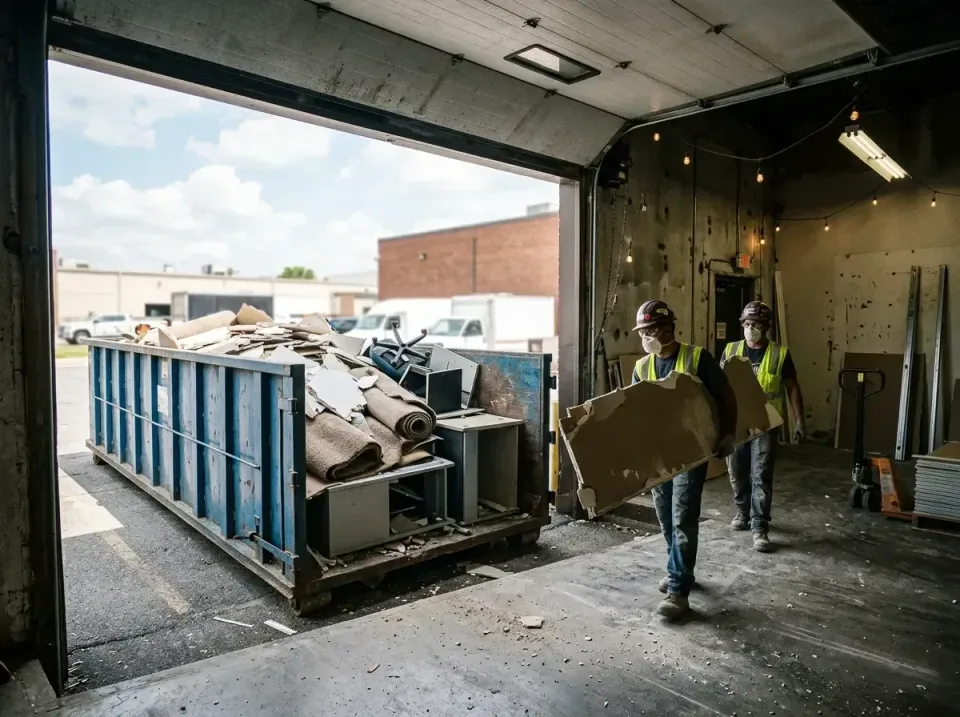
Roofing crews and homeowners book Colorado Springs containers for shingles, underlayment, flashing, and other roof replacement debris.
How do you keep an overfilled dumpster from stopping your Colorado Springs project? Schedule the roll-off container before debris arrives, then reserve clear access for pickup.
A roll-off container is an open-top dumpster delivered by a truck and removed after loading. If the container rises above its fill line, the driver may refuse pickup until the load is corrected.
Confirm the debris stream, placement surface, rental dates, and pickup contact during booking. This prevents a filled container from blocking a contractor site or delaying the next work phase.
Colorado Springs jobs may need different placement planning than rural properties, especially when a public street or narrow driveway is involved. Rental Dumpster Pros can coordinate local roll-off service, while broader coverage is listed through all service areas.
Give the hauler the property address, access notes, and preferred pickup date. Clear instructions reduce missed arrivals, failed pickups, and avoidable site disruption.
Capacity: A 30-yard container holds about 30 pickup truck loads, making it suitable for major renovation debris.
Access: Keep the approach open so the rolloff truck, which uses tilt-and-roll delivery, can reach the placement area.
Timing: Same-day delivery is often available before noon, but a missed window can leave a contractor site blocked.
Confirmation: Ask for delivery and pickup details in writing, including contact names, dates, and the requested placement direction.
Removal: Book pickup before the container reaches the rim, then keep the site accessible until the truck arrives.
A 30-yard choice works well for larger remodeling or construction jobs, but it can create access problems on tight residential lots. Before booking, compare site dimensions and local access requirements through Colorado dumpster service planning resources.
A missed pickup often begins with the wrong service type or an incomplete debris description. Tell the provider whether the project involves roofing, demolition, remodeling, or a home cleanout.
A temporary construction site container handles ongoing debris, while a commercial front-load dumpster is a different service for recurring business waste. An open-top roll-off suits bulky material, but an enclosed roll-off may better contain light litter.
Describe concrete, dirt, shingles, appliances, or mixed construction debris separately. The disposal stream affects handling, facility routing, and the chance of an added disposal fee. Construction and Demolition recycling may accept clean material that would cost more in a mixed load.
The roll-off industry changed when roll-off trucks replaced flatbed delivery in the 1960s. Modern trucks use hydraulic equipment to place the container, so the driver needs a clear approach and accurate placement instructions.
Choose delivery and pickup dates around the actual work sequence, not only the project start. Text alerts for delivery and pickup notifications help the site supervisor prepare workers, vehicles, and access points.
A typical rental period may cover seven to ten days, but the written agreement should state the included term and any extension process. Ask what happens if demolition finishes early or the container must remain onsite longer.
The 10-yard dumpster example is commonly priced around $300–$500 with one ton included. A 20-yard option may run $400–$600 with two tons included, but these figures are planning ranges rather than a final quote.
Keep debris below the rail line and never load above the rim. A driver may refuse a pickup when material can fall during transport, and a tarp requirement may apply before the truck leaves the property.
Request the pickup date before the container is full. That small scheduling step can prevent a contractor site from being blocked while waiting for a second truck visit.
Inspect the delivery path before booking. The roll-off truck needs enough turning room, overhead clearance, and a firm surface; parked cars, low branches, or construction materials can cause a failed delivery.
Give the provider the exact placement direction, including which side should face the work area. If workers will load by hand, ask whether a gate door is available, because the rear swinging door can reduce lifting over the container wall.
Review tonnage, disposal fees, included weight, and overage charges before authorizing delivery. A weight ticket from the landfill or transfer station shows the measured load and helps explain a final invoice.
Do not place batteries, tires, hazardous waste, or other prohibited materials in the container. The Environmental Protection Agency and state environmental agency provide the broader waste-management framework, while the receiving facility determines accepted materials.
If the project includes concrete, separate it from lighter debris when possible. Dense inert debris can reach the weight limit before the container looks full, creating a surcharge even when visible volume remains.
A clear written scope should list the container size, rental period, pickup procedure, included tonnage, disposal stream, and possible extra charges. That record is more useful than a low starting price that leaves weight or disposal terms unclear.
Homeowners can measure the driveway, clear obstacles, photograph the placement area, and sort prohibited items. A general contractor or property manager should also assign one person to receive text alerts and confirm the truck’s arrival.
Call Rental Dumpster Pros before delivery when access is tight, concrete is involved, the project may exceed the included tonnage, or the pickup date depends on another trade. A quick review can prevent deadheading, which means an empty truck trip after an unsuccessful delivery or pickup.
The provider can help identify whether a residential cleanout container, demolition dumpster, or specialty disposal arrangement fits the material. This matters when a commercial front-load dumpster is being considered for a short, heavy cleanup.
For Colorado Springs properties, share street, driveway, gate, slope, and overhead-clearance details during the quote request. The Rental Dumpster Pros home service page provides the starting point for arranging those project details without guessing at the truck’s access.
Size and debris type affect pickup timing, placement, and weight exposure. A 10-yard container measures about 12 feet long by 8 feet wide by 3.5 feet high.
A 15-yard option measures about 16 feet long by 8 feet wide by 4 feet high, while a 20-yard container measures about 22 feet long by 8 feet wide by 4.5 feet high.
The 30-yard size reaches about 22 feet long by 8 feet wide by 6 feet high. Common included weight limits range from two to four tons, depending on the provider and material.
| Option | Best for | Key detail |
|---|---|---|
| 10-yard roll-off | Small repairs | About 12’L x 8’W x 3.5’H |
| 15-yard roll-off | Room cleanouts | About 16’L x 8’W x 4’H |
| 20-yard roll-off | Medium remodeling | About 22’L x 8’W x 4.5’H |
| 30-yard roll-off | Major renovation | About 22’L x 8’W x 6’H |
Choose open-top service for bulky debris and enclosed service for lighter loose waste. Dumpster size planning information can help frame the delivery space before you confirm a pickup date.
Describe the job: Identify remodeling, roofing, demolition, cleanout, or concrete debris before requesting a quote.
Choose timing: Reserve the delivery window, often a two-to-four-hour span, and confirm the pickup date in writing.
Prepare access: Clear at least 60 feet for the truck approach and remove vehicles, tools, branches, and other obstacles.
Protect pavement: Place wood boards beneath the container on a firm driveway, rather than soft grass or unstable soil.
Confirm placement: Tell the provider which direction the door should face and disclose slopes, gates, utilities, and overhead lines.
Check permits: Street placement may require a municipal right-of-way permit, so verify requirements before delivery.
Load correctly: Keep debris below the rim, exclude hazardous materials, and cover the load with a tarp before transport.
Same-day delivery is available in many markets and may add $50–$150, depending on availability. A 30-yard dumpster may cost $450–$700 with three tons included, so ask for itemized terms before scheduling through roll-off delivery scheduling guidance.
10-yard dumpster: $300–$500, with one ton included; it holds about 10 pickup truck loads.
20-yard dumpster: $400–$600, with two tons included for medium projects.
30-yard dumpster: $450–$700, with three tons included for larger renovation work.
Concrete disposal: $500–$900 because heavy debris carries a different rate.
Same-day delivery: Add $50–$150 when availability allows.
Overage: $40–$100 for each extra ton beyond the included allowance.
A 40-yard container is approximately 22 feet long, 8 feet wide, and 8 feet high, but concrete is generally capped at a 10-yard container size. Regional landfill charges, access conditions, rental length, and disposal routing can change the estimate.
Final quote depends on debris type, weight, location, rental period, and local disposal fees.
Expert insight:
Treat tonnage as a weight-based pricing unit, not a visual fullness gauge. Dense debris can trigger an overage charge while open space remains, so ask how the provider documents the load.
A disposal fee is the landfill or incinerator charge associated with processing the material. Tarping covers the load before transport and reduces the chance of loose debris leaving the container.
A gate door gives workers a rear loading path, which is useful for heavy pieces that should not be lifted over the wall. Keep the door area clear so pickup does not fail after loading.
Ask whether the final invoice includes a weight ticket from the transfer station. That document connects the measured tonnage to the quoted allowance and gives you a clear record if an overage charge appears.
Common mistake: Assuming a container can be filled to the top because the material looks stable.
Successful dumpster scheduling starts with an accurate debris description, a prepared placement area, and a pickup date tied to the work schedule. Keep the load below the rim and separate materials that may require concrete recycling or another disposal stream.
Demolition services and recycling and waste audits can help when a project includes mixed debris, unusual materials, or repeated cleanouts. A driver needs a CDL Class A or B, but the property owner still controls access and site preparation.
In Colorado Springs, CO, confirm street placement, driveway protection, and truck access before the delivery window. Those checks reduce hidden fees on the final invoice and prevent a full container from blocking workers.
When the project has tight access, heavy inert debris, or an uncertain completion date, send the address, material list, preferred size, and target dates to Rental Dumpster Pros at (380) 228 3753 for a practical quote review.
Browse all nationwide service options and choose the right fit for your project.
Roofing crews and homeowners book Colorado Springs containers for shingles, underlayment, flashing, and other roof replacement debris.
Contractors and property managers book Colorado Springs containers for construction, demolition, remodeling, and commercial debris.
Homeowners, contractors, and property managers book Colorado Springs demolition dumpsters for concrete, framing, masonry, and teardown debris.
Homeowners, property managers, and contractors use our Colorado Springs containers for furniture, household debris, and estate cleanouts.
Homeowners and contractors book Colorado Springs containers for kitchen, bathroom, flooring, and whole-home renovation debris.
Concrete disposal containers help Colorado Springs homeowners and contractors remove slabs, masonry, and demolition debris.
Commercial dumpsters help Colorado Springs contractors, property managers, and businesses manage construction, demolition, and cleanout debris.
Homeowners, property managers, and real estate professionals book estate cleanout containers for furniture and household debris in Colorado Springs.
Homeowners, landscapers, and property managers book Colorado Springs containers for brush, limbs, leaves, and seasonal yard cleanup.
Homeowners, contractors, and property managers book same-day containers for urgent cleanouts, remodel debris, and storm waste in Colorado Springs.
Homeowners and property managers book Colorado Springs shed cleanout dumpsters for lumber, tools, roofing, and bulky debris.
Homeowners, contractors, and property managers use our Colorado Springs containers for deck boards, railings, posts, and demolition debris.
Homeowners, contractors, and property managers book Colorado Springs containers for branches, shingles, fencing, and storm cleanup debris.
Homeowners, contractors, and property managers book Colorado Springs containers for fence panels, posts, and removal debris.
Flood and fire cleanup in Colorado Springs mixes wet materials and structural debris — flood cleanup dumpster rental with contamination-aware disposal guidance.
Homeowners, contractors, and property managers book Colorado Springs containers for fire-damaged materials and contents.
Property managers and homeowners book Colorado Springs containers for rental turnovers, tenant debris, furniture, and repair waste.
Property managers and homeowners use our Colorado Springs eviction cleanout dumpsters for furniture, household debris, and tenant move-outs.
Residential cleanout containers help Colorado Springs landlords, property managers, and homeowners clear tenant move-out debris.
Home cleanouts and moves in Colorado Springs need driveway-friendly placement and the right container size — real estate cleanout dumpster rental without surprise reload fees.
Homeowners, landscapers, and contractors book Colorado Springs yard dumpsters for brush, branches, soil, and cleanup debris.
Select your region to see local roll-off dumpster rental services providers and cities we cover.
We connect you with trusted local providers in your state or city. Call or email us today.