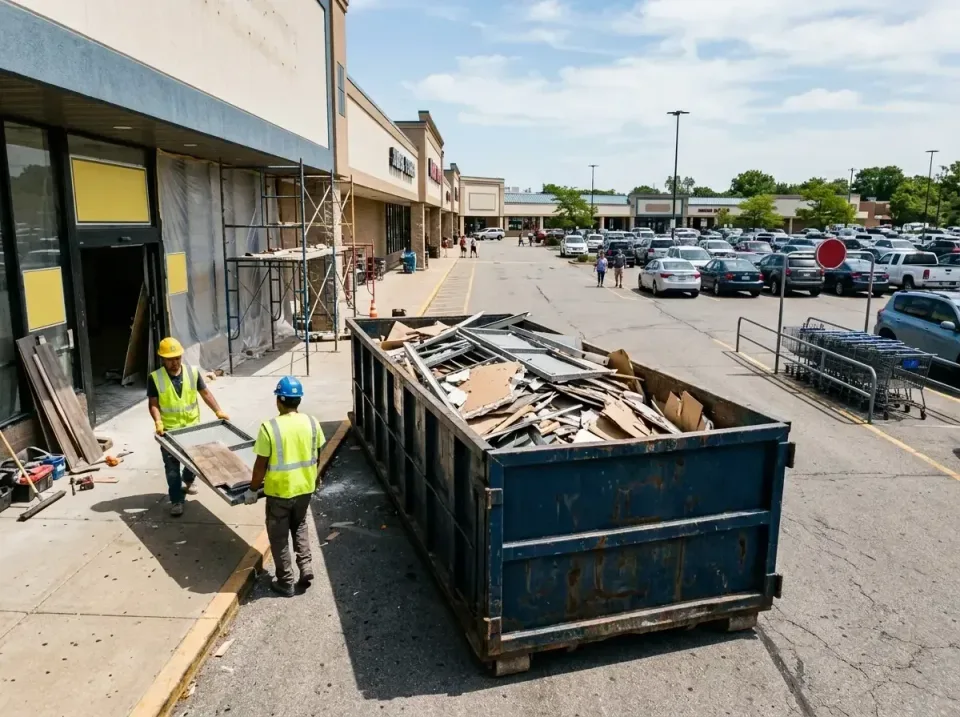
Roofing Dumpster Rental
Roofing crews and homeowners book Colorado Springs containers for shingles, underlayment, flashing, and other roof replacement debris.
A filled dumpster can block a Colorado Springs contractor site and force a second haul. Start by separating bulky volume from heavy material before choosing capacity.
A roll-off container is an open-top dumpster for renovation and construction debris. A Toter is a wheeled residential bin, so it cannot replace the truck-delivered capacity needed for larger projects.
Count pickup-truck loads, then add room for loose materials and uneven stacking. A cautious estimate prevents an overfilled container from delaying the next work phase.
For projects involving several site services, portable-site logistics guidance can help coordinate access around delivery vehicles. Rental Dumpster Pros can then match the debris stream with a practical container size.
In Colorado Springs, measure the approach, placement area, and expected debris before requesting a quote. This simple check reduces surprise hauling decisions.
Load density: Balance volume against weight because dense debris can reach tonnage limits before the container looks full.
Pickup access: Plan the haul before debris reaches the rim, or a contractor site can become blocked by a filled dumpster.
Driver clearance: A CDL license supports lawful truck operation, but the driver still needs safe approach space and a clear placement area.
Overage control: An overage charge applies when debris exceeds included weight, so separate inert debris from lighter mixed material.
Final review: Confirm the transfer station route and prohibited materials before loading, preventing rejected waste and invoice surprises.
A 10-yard container often suits compact work, while major remodeling may require more capacity. Keep the load level and tell Rental Dumpster Pros about concrete, soil, or masonry before delivery.
For crews coordinating multiple vendors, portable restroom placement planning offers a useful reminder: access paths must remain clear around active work zones.
The first question is not simply how much debris exists. Ask how much space it occupies and how dense it is. Roofing, drywall, brush, and light demolition waste consume volume quickly, while concrete, brick, and soil reach weight limits with less visible fullness.
Waste Management Inc. and Casella Waste Systems use different regional disposal networks, so a quoted container size does not always predict the final disposal route. Sort clean materials into the correct stream when possible, especially for Commercial Construction work. Construction and Demolition recycling may reduce landfill volume, while a mixed load can increase handling complexity.
Keep a written estimate by material. Record the number of contractor bags, wall sections, cabinet units, or pickup loads. Add a buffer for irregular pieces that cannot stack flat. That small allowance is cheaper than stopping a crew while waiting for another haul.
Before delivery, confirm the container footprint and keep at least 8 feet of clear width for placement. The truck needs room to set the box down without striking walls, parked vehicles, or equipment. A portable event-site access checklist illustrates the same practical rule: map vehicle movement before other site uses consume the open space.
An open-top roll-off suits bulky Construction and Demolition debris, while an enclosed roll-off is better for light litter that could blow away. A commercial front-load dumpster is a different service and is generally intended for recurring business waste, not a one-time demolition pile.
Yard Waste / Brush should remain separate from concrete, appliances, and household trash when the local facility requires different handling. Do not place hazardous waste, tires, or batteries in a roll-off container. Those items may require a specialized drop-off or regulated handling process.
Ask where the material will go before loading. A local transfer station may sort usable material before the final landfill, while a direct disposal route may charge differently. The disposal stream affects both space planning and the invoice.
If a project has changing material types, schedule a site review before delivery. A 10-yard option may work for a small bathroom remodel, but a larger demolition pile can exceed its practical capacity quickly. Choosing a larger box at the beginning often costs less than paying for a second mobilization.
Keep debris below the top rail and distribute heavy material across the floor. A driver may refuse pickup when debris is overfilled, unstable, or impossible to tarp safely. Loose materials can fall during transport, creating a roadway hazard and a failed pickup.
Separate prohibited items before they enter the container. The U.S. Environmental Protection Agency provides broad waste-management context, while local disposal facilities determine accepted materials. A state environmental agency or county solid waste office may require special handling for regulated substances.
Take photographs when the container is loaded and keep facility paperwork with the project file. A weight ticket from the landfill or transfer station shows the measured tonnage, which helps explain an overage charge. It also gives a contractor a record when the final invoice differs from the initial estimate.
Rental Dumpster Pros can help compare a 10-yard, 20-yard, or 30-yard option against the material list before the truck arrives. Give the estimator the project type, debris weight concerns, access width, and expected completion date rather than only saying the job is large.
A container is useful only when the roll-off truck can deliver and retrieve it. Clear the approach, protect pavement, and keep the placement surface flat and firm. Do not assume a driveway can support every load simply because a passenger vehicle uses it daily.
Measure overhead clearance and identify utility lines before booking. Keep work areas clear of machinery and explain the preferred door direction. A rear gate door can make heavy debris easier to load, but it also needs room to open safely.
If demolition, roofing, landscaping, and cleanout waste will occur in separate phases, estimate each phase instead of combining every material. A container filled with dense masonry has a different haul risk than one filled with loose brush. Phased loading can prevent both overfill and avoidable deadheading.
A seven-to-ten-day project plan usually gives crews time to load gradually, but the correct period depends on the schedule and local availability. Contact Rental Dumpster Pros before the container is full if the material estimate changes. Early adjustment is safer than leaving a blocked site or paying for an emergency second haul.
A residential cleanout container works well for furniture, boxes, and household debris that can be loaded steadily. Its usefulness depends on keeping dense materials separate.
A 15-yard container measures approximately 16 feet long, 8 feet wide, and 4 feet high. A 20-yard model measures about 22 feet long, 8 feet wide, and 4.5 feet high.
The 40-yard option measures approximately 22 feet long, 8 feet wide, and 8 feet high. It offers substantial volume, but its height may make hand loading harder and can increase placement concerns.
A commercial front-load dumpster is a different service for recurring business waste, not a replacement for a temporary roll-off. Portable-service placement guidance reinforces why access planning should happen before equipment arrives.
| Option | Best for | Key detail |
|---|---|---|
| 15-yard roll-off | Small cleanouts | 16’L x 8’W x 4’H |
| 20-yard roll-off | Remodeling debris | 22’L x 8’W x 4.5’H |
| 30-yard roll-off | Larger renovation work | Extra volume for bulky debris |
| 40-yard roll-off | Major commercial projects | 22’L x 8’W x 8’H; verify clearance |
List materials: Separate roofing, drywall, brush, concrete, and mixed load debris before estimating volume.
Count loads: Convert bags, boxes, and demolition sections into approximate pickup-truck loads.
Choose capacity: Add room for uneven stacking instead of planning to fill the container exactly.
Measure access: Keep at least 20 feet from overhead power lines and preserve the truck approach.
Prepare placement: Clear landscaping, vehicles, and obstacles from a flat, firm surface.
Protect loading: Never fill above the rim line, and keep 23 feet of vertical clearance above the container.
Confirm timing: Ask about the delivery window, rental period, tarp requirement, and pickup date before work begins.
A dumpster access planning resource can help crews think through placement details before delivery. Provide the property owner contact and confirm whether street placement needs approval.
10-yard dumpster: $300–$500, with 1 ton included; its approximate 12-foot length, 8-foot width, and 3.5-foot height suit smaller debris volumes.
20-yard dumpster: $400–$600, with 2 tons included; this middle option fits many remodeling and cleanout projects.
30-yard dumpster: $450–$700, with 3 tons included; its approximate 22-foot length, 8-foot width, and 6-foot height handle larger renovation volume.
Concrete disposal may cost $500–$900 because heavy debris requires a separate disposal rate. Same-day delivery may add $50–$150 where availability permits.
An overage fee commonly runs $40–$100 per extra ton. Regional landfill charges, hauling distance, rental period, debris type, and location can change the final amount.
Final quote depends on debris type, weight, location, rental period, and local disposal fees.
A 30-yard container can hold about 30 pickup truck loads, but volume alone does not predict the bill. Ask where the disposal fee applies and keep the weight ticket with the project records.
A hooklift is a truck loading system used for some container deliveries, while a roll-off truck handles tilt-and-roll placement. Confirm the equipment and access plan when dense debris is involved.
Dead fuel, meaning distance driven with an empty truck, can affect hauling efficiency when a container is removed before the project is ready. Grouping the work into a realistic loading period helps avoid unnecessary trips.
For concrete, dirt, and brick, ask Rental Dumpster Pros whether the material needs a separate disposal stream. Concrete recycling may be more appropriate than mixing heavy inert debris with household waste.
Common mistake: Estimating only by container height while ignoring tonnage, disposal route, and dense material.
The safest estimate combines volume, material density, access, and the disposal route. A 10-yard container may hold about 10 pickup truck loads, but heavy debris can reach its weight limit sooner.
In Colorado Springs, separate concrete, brush, roofing, and household waste when the disposal stream requires it. Recycling and waste audits can also show where a mixed load creates avoidable handling costs.
Projects involving demolition services or concrete recycling deserve an early material review. A driver needs a CDL Class A or B, but the property owner still must provide clear access and a safe placement area.
Use the all service areas page if the project is outside Colorado Springs. For a local estimate, send Rental Dumpster Pros the debris list, expected volume, placement address, and preferred rental dates.
Browse all nationwide service options and choose the right fit for your project.
Roofing crews and homeowners book Colorado Springs containers for shingles, underlayment, flashing, and other roof replacement debris.
Contractors and property managers book Colorado Springs containers for construction, demolition, remodeling, and commercial debris.
Homeowners, contractors, and property managers book Colorado Springs demolition dumpsters for concrete, framing, masonry, and teardown debris.
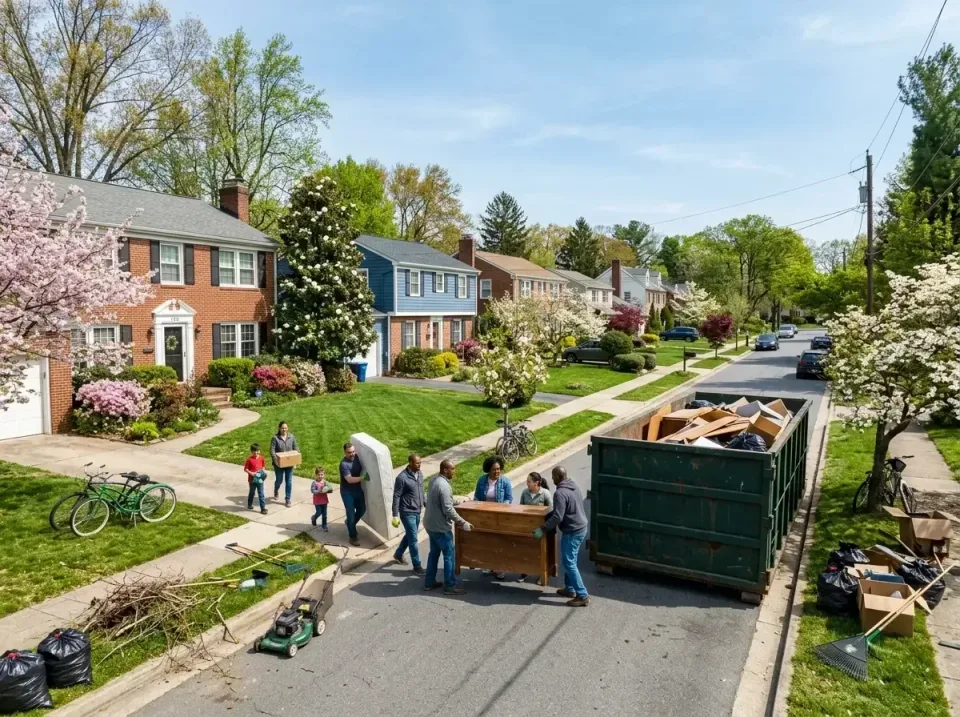
Homeowners, property managers, and contractors use our Colorado Springs containers for furniture, household debris, and estate cleanouts.
Homeowners and contractors book Colorado Springs containers for kitchen, bathroom, flooring, and whole-home renovation debris.
Concrete disposal containers help Colorado Springs homeowners and contractors remove slabs, masonry, and demolition debris.
Commercial dumpsters help Colorado Springs contractors, property managers, and businesses manage construction, demolition, and cleanout debris.
Homeowners, property managers, and real estate professionals book estate cleanout containers for furniture and household debris in Colorado Springs.
Homeowners, landscapers, and property managers book Colorado Springs containers for brush, limbs, leaves, and seasonal yard cleanup.
Homeowners, contractors, and property managers book same-day containers for urgent cleanouts, remodel debris, and storm waste in Colorado Springs.
Homeowners and property managers book Colorado Springs shed cleanout dumpsters for lumber, tools, roofing, and bulky debris.
Homeowners, contractors, and property managers use our Colorado Springs containers for deck boards, railings, posts, and demolition debris.
Homeowners, contractors, and property managers book Colorado Springs containers for branches, shingles, fencing, and storm cleanup debris.
Homeowners, contractors, and property managers book Colorado Springs containers for fence panels, posts, and removal debris.
Flood and fire cleanup in Colorado Springs mixes wet materials and structural debris — flood cleanup dumpster rental with contamination-aware disposal guidance.
Homeowners, contractors, and property managers book Colorado Springs containers for fire-damaged materials and contents.
Property managers and homeowners book Colorado Springs containers for rental turnovers, tenant debris, furniture, and repair waste.
Property managers and homeowners use our Colorado Springs eviction cleanout dumpsters for furniture, household debris, and tenant move-outs.
Residential cleanout containers help Colorado Springs landlords, property managers, and homeowners clear tenant move-out debris.
Home cleanouts and moves in Colorado Springs need driveway-friendly placement and the right container size — real estate cleanout dumpster rental without surprise reload fees.
Homeowners, landscapers, and contractors book Colorado Springs yard dumpsters for brush, branches, soil, and cleanup debris.
Select your region to see local roll-off dumpster rental services providers and cities we cover.
We connect you with trusted local providers in your state or city. Call or email us today.